What sketching actually is
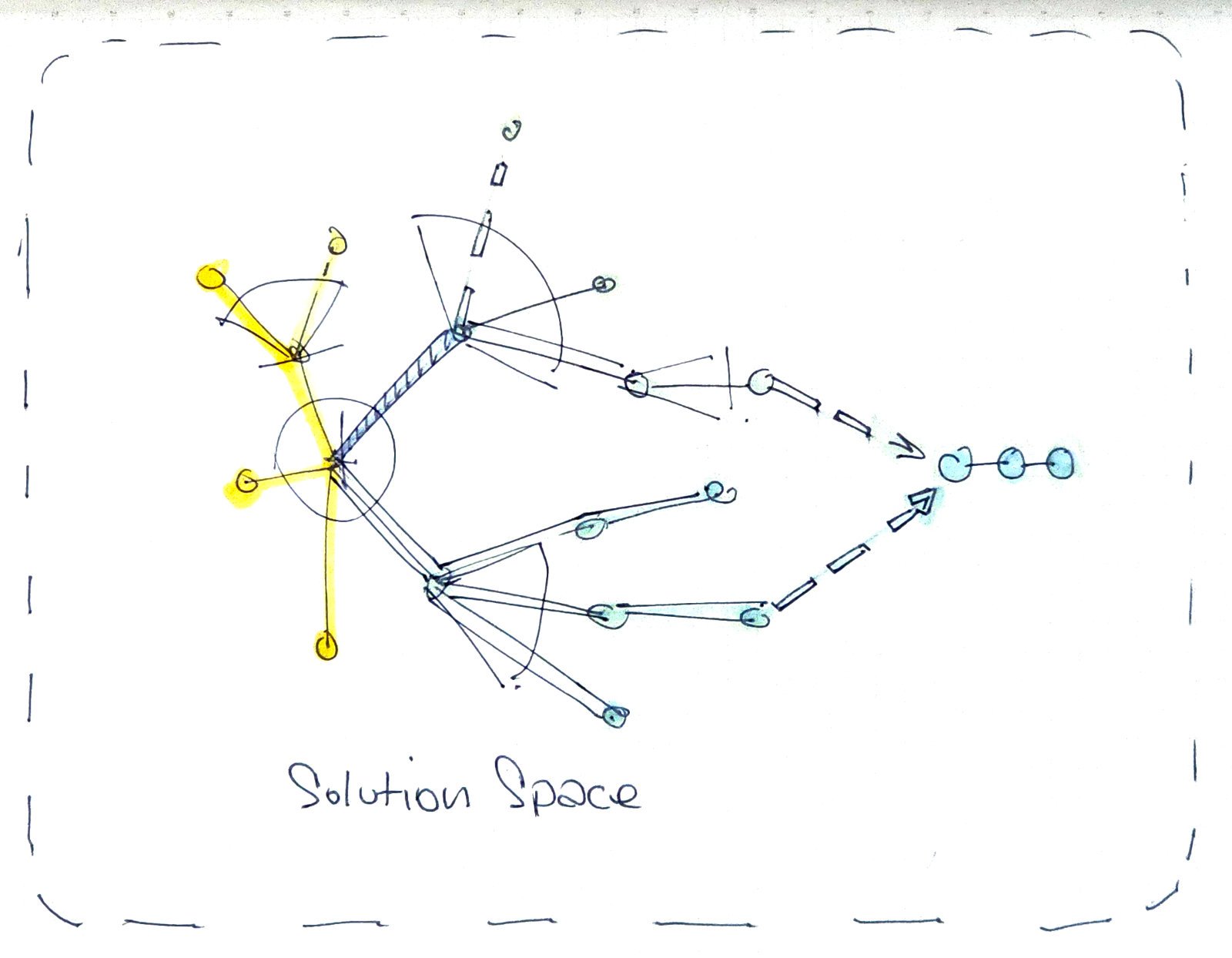
Sketching in industrial design is a plural activity — multiple outputs, a progression, an exploration, an evolution of an idea through rapid, quick, ambiguous outputs. Typically done with pen on paper, digitally, or on a napkin. Sketching is twofold. It is the hand on paper creating a physical output — that's the physical act. But sketching is also a mental act that allows exploration of ideas. The ability to come up with new things, throw them away quickly, turn the page, come up with a new one — that mental sketching is integral. Sketching is usually done in response to a brief — a set of problems and constraints posed, looking for a possible solution to something new. Sketching at the beginning is a kind of limbering up, like stretching before jumping into hard work. There are initial throwaway sketches — a clearing of cobwebs, getting ready to explore ideas. Then you might take some wild jumps, go back and explore the spaces between, or work out a different idea. The act of sketching is both internal and external. The hand is making a mark that is slightly disassociated — not looking to be too specific, ambiguous in general. Several marks can be laid down on a page, and mentally a mark can be chosen that just feels like it fits the solution, then further refined. The secondary output is for someone else to observe, to see possibilities in it, to see it not as a final solution but open to interpretation. In the beginning, many paths and vectors are open in the solution space. The idea is to explore without preciousness. You're not doing an oil painting — you're doing pen on paper. That throwaway character of a sketch is key to its utility.